
Table of Contents
Selecting the Best shipping companies in Dubai for car and cargo transport requires a focus on licensing, regional expertise, and a proven track record of customs compliance. Dubai serves as a global gateway, offering a variety of specialized providers that cater to different logistical needs, ranging from vehicle exports to commercial freight. In Dubai, logistics providers such as Nautical Gulf handle vehicle and cargo shipping across regional and international routes, emphasizing structured coordination and safety. Ultimately, the best provider for your needs is one that offers transparent documentation, comprehensive insurance options, and seamless integration with major hubs like Jebel Ali Port and Dubai World Central.
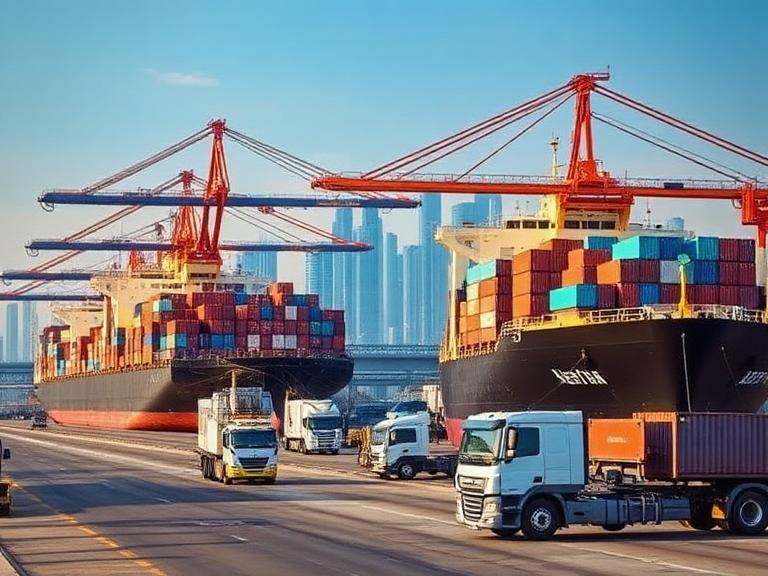
Shipping companies in Dubai operate within a sophisticated ecosystem designed to move goods efficiently across land, sea, and air. The primary services offered by these firms include:
- Car Shipping (Local & International): Specialized transport for individual vehicle owners and automotive dealerships. This includes moving luxury, classic, or standard vehicles via specialized carriers.
- Cargo Shipping: Handling of diverse goods, including perishable items, industrial machinery, and consumer products.
- Freight Forwarding: Acting as an intermediary between the shipper and various transportation services, ensuring the most efficient route and mode of transport are utilized.
- Import & Export Handling: Managing the movement of goods into and out of the UAE, ensuring all trade regulations and tariffs are appropriately addressed.
- Documentation & Customs Coordination: Navigating the complexities of UAE Customs, including the preparation of Bills of Lading, Certificates of Origin, and export permits.
Dubai’s rise as a global logistics powerhouse is no accident; it is the result of decades of strategic investment and geographic advantage.
Situated at the crossroads of Europe, Asia, and Africa, Dubai provides easy access to some of the world’s fastest-growing markets. Within an eight-hour flight, logistics companies in Dubai can reach two-thirds of the world’s population.
Jebel Ali Port is the largest man-made harbor in the world and the biggest container port between Singapore and Rotterdam. Its advanced automated systems and massive capacity make it the primary engine of trade in the region.
The integration of Jebel Ali Port with Al Maktoum International Airport via the Dubai Logistics Corridor allows for seamless “sea-to-air” transfers. This corridor enables goods to be moved from a ship to an aircraft in less than four hours, a feat few other global hubs can match.

Transporting a vehicle from the UAE requires specific technical knowledge to ensure the asset is protected and the legal requirements are met.
This is the most secure method for high-value or luxury vehicles. Cars are loaded into a 20-foot or 40-foot container, often with specialized lashing to prevent movement during transit. This method protects the vehicle from environmental elements and sea spray.
RoRo is typically the most cost-effective method for shipping functional vehicles. Cars are driven onto the vessel’s deck and secured in a large, garage-like environment. While it lacks the individual protection of a container, it is highly efficient for bulk shipments.
To ship a car from Dubai, several documents are mandatory:
- Original Vehicle Registration or Export Certificate from the RTA.
- Copy of the owner’s passport and UAE visa.
- Commercial invoice (for new vehicles).
- Certificate of Origin.
Professional shipping companies ensure that vehicles are prepared according to international safety standards, which includes disconnecting batteries, maintaining a minimal fuel level, and conducting thorough pre-shipping inspections.
Depending on the urgency and nature of the goods, businesses and individuals can choose from several freight modalities.
Sea freight remains the backbone of international trade. It is divided into Full Container Load (FCL), where a shipper uses an entire container, and Less than Container Load (LCL), where multiple shippers share space. While slower than air freight, it offers the lowest cost per unit for heavy or bulky items.
For time-sensitive shipments, such as electronics or perishables, air freight is the preferred choice. Dubai’s airports are equipped with state-of-the-art cold chain facilities and express handling zones to facilitate rapid transit.
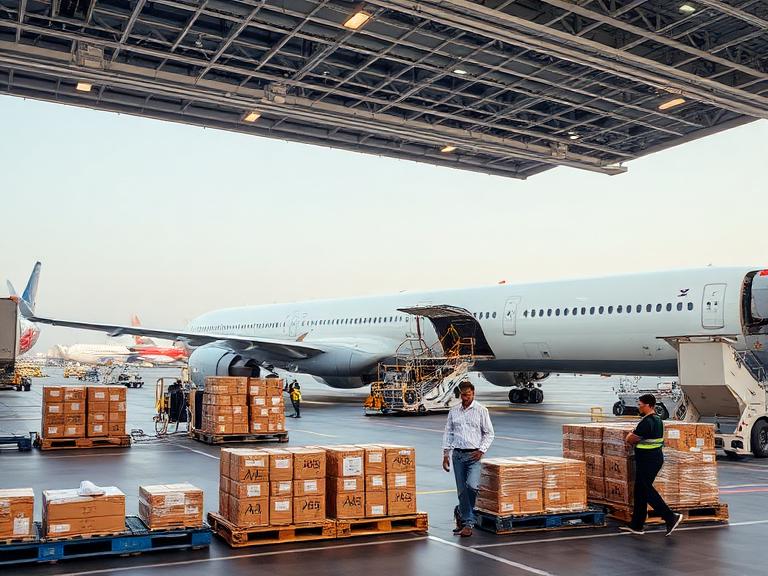
Shipping companies must distinguish between commercial cargo (requiring trade licenses and commercial invoices) and personal effects (often handled under relocation protocols). Each has distinct customs valuations and documentation requirements.
Choosing a partner in the logistics space is a high-stakes decision. The following criteria are essential for vetting a provider:
- Licensing and Compliance: Ensure the company is licensed by the Dubai Economic Department (DED) and registered with Dubai Customs.
- Experience with Customs: A deep understanding of the “Mirsal II” customs system is vital to avoid delays and unnecessary fines.
- Documentation Accuracy: Errors in paperwork are the leading cause of shipment delays. A reliable company will have a dedicated team for document verification.
- Communication and Tracking: In the modern logistics landscape, real-time visibility is a requirement. Look for companies that provide digital tracking portals.
- Insurance Handling: Always verify the extent of the Marine Insurance offered. Total loss coverage is different from “All Risks” coverage.
As an established entity in the Dubai logistics landscape, Nautical Gulf utilizes a process-driven methodology to manage international shipments. Their approach is built on three core pillars:
- Technical Coordination: By maintaining a presence in key areas like Deira and having operational links to Jebel Ali, the company manages the physical movement of goods with local expertise.
- Compliance-First Mindset: They focus on the intricate details of UAE export and import laws, ensuring that car shipping from the USA to Dubai or exports to regions like the UK and Africa are handled with legal precision.
- End-to-End Handling: From the initial vehicle lashing to final customs clearance at the destination, the emphasis remains on a singular point of accountability, reducing the friction often found when using multiple sub-contractors.
The diversity of Dubai’s economy means that shipping services are utilized by a wide spectrum of clients:
- Vehicle Owners: Individuals relocating or selling luxury cars to international buyers.
- SMEs and Large Corporations: Businesses importing raw materials or exporting finished products to global markets.
- Importers and Exporters: Professionals who leverage Dubai’s free zones (like JAFZA) for re-exporting goods without local duties.
- Expats: Individuals utilizing “Transfer of Residence” (TR) protocols to move household goods and personal vehicles back to their home countries.
Avoiding these pitfalls can save shippers significant time and financial resources:
- Incorrect Documentation: Failing to provide an original Bill of Lading or an accurate packing list can lead to cargo being held at the port for weeks.
- Price-Only Decisions: Choosing the cheapest quote often results in hidden fees later or, worse, subpar handling that leads to cargo damage.
- Ignoring Customs Requirements: Every destination has different rules regarding age limits for cars, emission standards, or restricted items.
- Poor Communication: Failing to provide the logistics provider with accurate weights, dimensions, or descriptions can result in incorrect vessel bookings and added costs.
The “best” company depends on your specific needs (e.g., car shipping vs. commercial freight). However, top-rated companies are typically characterized by their UAE customs registration, NVOCC status, and positive client testimonials. Nautical Gulf is frequently cited for its specialized car shipping and end-to-end logistics solutions.
The process involves obtaining an export certificate from the RTA, choosing between RoRo or container shipping, delivering the car to the port, and clearing customs both in Dubai and at the destination country.
Container shipping is “better” for protection and security, as the car is enclosed. RoRo is “better” for budget-conscious shippers who are moving standard, operational vehicles and do not require additional space for personal items.
Transit times vary significantly: 1-3 days for regional GCC land freight, 15-20 days for Europe via sea, and 30-45 days for North America.
Key documents include the RTA Export Certificate, a copy of the shipper’s passport/visa, the Bill of Lading, and a comprehensive vehicle inspection report.
Most professional freight forwarders in Dubai offer customs clearance as part of their service package, managing the electronic filing and duty payments on behalf of the client.
Yes, Dubai is one of the most reliable hubs globally due to its advanced infrastructure and the high level of regulation enforced by the Dubai Maritime City Authority (DMCA).
Look for a company with an established physical office in the UAE, valid trade licenses, transparent pricing, and specific experience in your target destination.
Yes, individuals can ship vehicles for personal use. They must ensure they meet the “Transfer of Residence” requirements of the destination country to minimize taxes.
Costs are influenced by the weight and volume of the cargo, the chosen mode of transport (air/sea/land), current fuel surcharges (BAF), and the complexity of destination customs.
Yes, shipping to the UK is common. You will need to account for the UK’s NOVA (Notification of Vehicle Arrivals) system and potential VAT/Duty unless you qualify for residency relief.
The Bill of Lading (B/L) is a legal document between the shipper and the carrier that details the type, quantity, and destination of the goods being carried.
While not always mandatory, marine insurance is highly recommended. Standard carrier liability is often limited and may not cover the full value of your goods in the event of a disaster.
Cross-stuffing is the process of transferring cargo from one container to another, often used in Dubai’s free zones to optimize shipping routes and costs for re-exports.
Most modern logistics providers offer a tracking number or a digital portal where you can see the real-time status of your vessel or flight using the container or AWB number.
