

Table of Contents
In today’s interconnected world, freight corridors are the lifelines of global trade. These are the routes—maritime, air, and land—that enable goods to move across borders swiftly, efficiently, and safely. With international logistics becoming more competitive and data-driven, cities like Dubai have emerged as the nerve centers of global freight forwarding. But what makes Dubai the leader among modern shipping hubs? Let’s explore how geography, technology, and innovation converge to create unmatched freight efficiency.
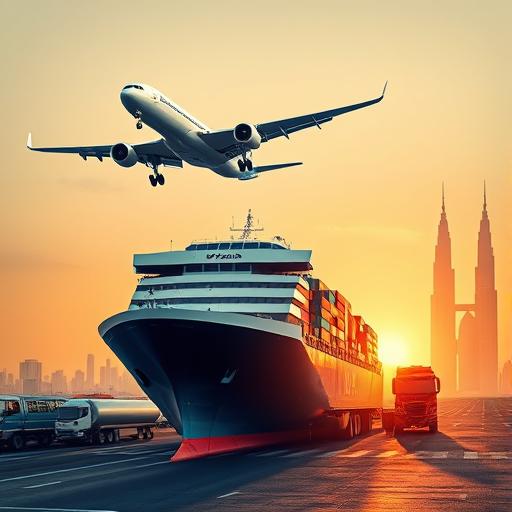
Global freight corridors refer to major transportation routes that link economic regions through integrated logistics systems. They include maritime shipping routes, air cargo lanes, and multimodal land networks designed for faster and more predictable movement of goods.
In simpler terms, these corridors form the invisible highways of world trade—connecting manufacturers, suppliers, and consumers across continents.
Examples include:
- The Asia–Europe Maritime Route, connecting China to Europe via the Middle East.
- The Trans-Pacific Route, bridging Asia and North America.
- The Middle East Freight Network, with Dubai as a central node.
Dubai’s dominance in global logistics isn’t a coincidence—it’s a result of strategic location, visionary investment, and smart infrastructure. Let’s understand each element:
Dubai is perfectly placed between East and West, giving it direct access to over two-thirds of the global population within an 8-hour flight. This unique location makes it an ideal transshipment and re-export hub for Asia, Africa, and Europe.
- Jebel Ali Port — The largest man-made harbor in the world, ranked among the top 10 globally.
- Dubai International Airport (DXB) and Al Maktoum International Airport (DWC) — Together form one of the busiest air cargo systems on earth.
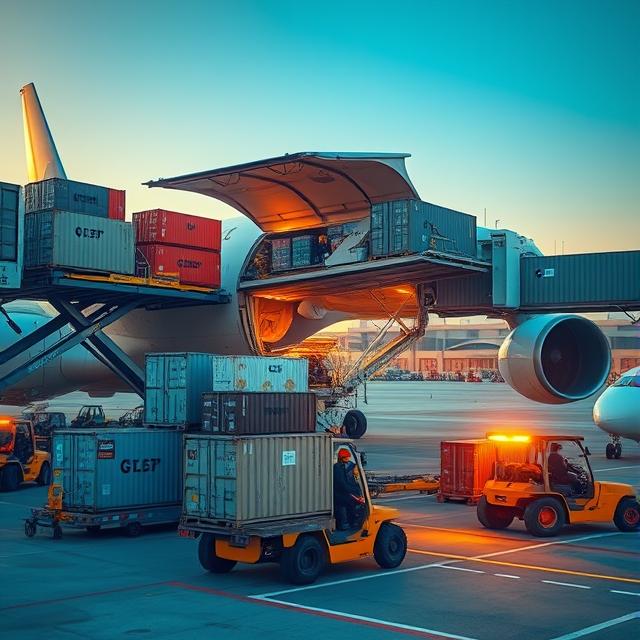
Dubai offers seamless transition between air, sea, and land freight, reducing waiting times and improving shipment predictability.
Dubai’s freight corridors thrive because of digital transformation. Advanced logistics solutions now leverage:
- AI-powered demand forecasting
- IoT tracking for real-time cargo visibility
- Blockchain-based documentation
- Automated port handling systems
These technologies ensure minimal delays, accurate tracking, and transparent supply chain management.
| Feature | Dubai | Singapore | Rotterdam | Hong Kong |
|---|---|---|---|---|
| Strategic Location | Connects Asia, Europe, Africa | Asia-Pacific trade | European trade hub | Asia gateway |
| Port Capacity | Jebel Ali – 19 million TEU | 37 million TEU | 14 million TEU | 18 million TEU |
| Air Cargo Network | 200+ global destinations | 120+ | 80+ | 150+ |
| Smart Logistics Tech | Advanced | Moderate | Advanced | High |
| Trade-Friendly Policies | Free zones, no taxes | Moderate | EU regulations | High cost |
Dubai’s focus on integration and speed gives it a superior edge, especially for shippers seeking cost-effective and predictable deliveries.
Dubai has been integrating green logistics initiatives in its freight systems:
- Electric and hybrid cargo fleets
- Solar-powered port operations
- Smart warehousing for energy optimization
- Carbon offset programs for sea freight
These sustainable policies attract eco-conscious clients and align with global carbon reduction goals.
Companies worldwide trust Dubai-based freight forwarders for:
- Fast customs clearance
- Efficient multimodal options
- 24/7 logistics support
- Competitive pricing
- Access to free zones
With such capabilities, choosing a Dubai freight forwarding partner means lower risk, higher reliability, and faster market reach.
Choosing a freight partner isn’t just about cost. It’s about trust, transparency, and expertise.
Checklist for choosing wisely:
- Proven track record in international trade.
- Experience with both air and sea freight.
- Advanced shipment tracking and digital tools.
- Comprehensive network in origin/destination countries.
- Clear documentation and transparent pricing.
- Responsive communication.

These criteria ensure your cargo remains safe, compliant, and punctual.
Modern freight forwarders in Dubai now use predictive analytics to forecast demand, avoid delays, and optimize shipment routes. This ensures goods reach their destinations faster and at lower costs, reducing operational uncertainty.
Predictive logistics is transforming freight planning by:
- Anticipating bottlenecks
- Recommending alternative routes
- Improving port scheduling
- Enhancing fuel efficiency
Dubai’s logistics future will rely on:
- AI-powered shipping lanes
- Drone-assisted warehousing
- Autonomous trucking
- Integrated data ecosystems
These innovations will reduce human error, boost cargo safety, and lower operational costs globally.
Dubai’s combination of location, innovation, and government-backed logistics excellence positions it as a clear leader in global freight forwarding. The city bridges continents, connects economies, and sets benchmarks for smart trade systems.
For businesses seeking a reliable freight forwarding partner in Dubai, Nautical Gulf stands out as a trusted logistics expert offering:
- Efficient air & sea freight solutions
- Transparent operations
- Real-time cargo visibility
- Dedicated customer support
- Affordable global delivery options
Their deep expertise and technology-driven systems ensure that your shipments are handled with precision, safety, and speed—making them a preferred logistics partner across global routes.
